
“If people were to focus on developing themselves instead of trying to improve the world, the world would become much more harmonious”, says Lao Tzu*. Assisting others in their self-improvement, is a common trait among those working in the coaching field. Through coaching
“If people were to focus on developing themselves instead of trying to improve the world, the world would become much more harmonious”, says Lao Tzu*. Assisting others in their self-improvement, is a common trait among those working in the coaching field. Through coaching, one willingly contributes to make this world a better place. You might know the individuals you provide coaching support, but in reality, your support also reaches the people they interact with, spreading to others and serving the collective consciousness.
Coaching support is sought to assess an individual’s current situation, set goals, and develop strategies to achieve those goals. Coaching is future-oriented. While aiming to maximize an individual’s potential, coaching helps them find their own solutions and adopt an approach that supports them in reaching their goals. Coaches typically work towards short-term and specific objectives. It involves positive psychology principles focusing on improving the individual’s current behaviors and future plans. Since coaching is a process aimed at supporting personal and professional development, it has a positive impact on psychological defense mechanisms. Psychological defense mechanisms are unconscious strategies individuals develop to cope with emotional discomfort, stress, and threatening situations. Coaching can help understand and transform these mechanisms.
One crucial aspect coaches should be aware of is that they are not in a position to make agreements when communicating with their clients. A coach is a skilled individual who excels at listening, observing, and asking questions. They never judge the person in front of them or exaggerate their qualities. Managing the psychological process is vital in coaching. Establishing trust is fundamental in the coaching process because the coach presents guidance or asks a question, the client responds, and the coach acknowledges understanding. The client selects the issue to work on, stating, “I want to work on this,” and the coach guides the process. This way, the client focuses on issues that may be important to them, and the process is directed. To optimize the psychological process, the coach must provide guidance through their expertise (coaches must constantly strive for self-improvement). Thus, the psychological process is elevated to its best level, and a strong trust bond is established.
Coaching is a profession that requires training. With post-training applications and support processes, it is possible to reach a foundational practice in this field. When this practice is achieved and accreditation is obtained, one acquires titles. However, titles do not define one’s experience, manners, psychology, or communication. People remember those who truly impact their lives not by their titles but by the impressions they leave. Rather than focusing on easily obtained or acquired titles in today’s consumer perception, it is more accurate to examine the person’s chemistry for coaching work.
Among the fundamental behavioral characteristics in coaching, self-improvement and altruism stand out. A coach must manage instructions and the process well, be collaborative and provide empathy. There is a valuable saying in Turkish language: “A tailor who can’t sew his own clothes.” This means that individuals without goals, avoiding taking initiative, disliking trying challenging tasks, preferring their ideas over being open to others, lacking self-improvement, and not reading or researching should not aspire to receive coaching education. If they somehow do, they should work on themselves for many years before working with people.
My coaching journey began with outplacement, which involves providing career support during workforce reduction processes, during change management periods in 2006. Until then, I had worked in roles such as HR management and expertise in the private sector. I believe that when you learn a certain methodology well, you can perfect it through repetition. However, as the number of clients I encountered and supported during change periods increased, I learned how wrong I was in starting this job with such an idea. Even though there is a methodology, the essence is to have the flexibility required by this job. Every person is a different world, with their own family, personal life, and professional career. Every person is also a child of parents. Every person with the chance to grow up with self-confidence should thank their parents or those who raised them. I owe my development during this period to these confident individuals being open to listening to me and being at peace with themselves. Their self-confidence that illuminated their paths allowed them to accept change and also led me to embrace the human world and coaching profession more tightly. Their change was my change. Every coaching session taught me not to end it without seeing the light of change, determination, and hope in the eyes of the person in front of me. The most important and significant gain for me was getting to know and accumulate people. People are sensitive, and sensitivity is the key behavior in our business. Understanding what a person is saying by looking into their eyes is the most valuable experience. Perhaps there are much more important issues beneath the surface.
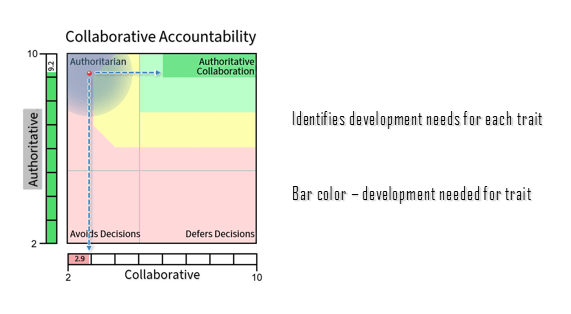
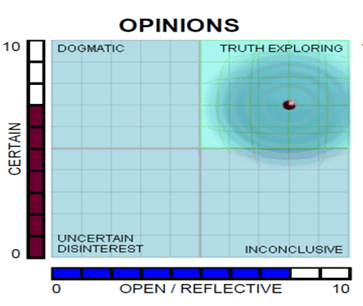
The coaching subject continued to evolve in line with my career development, influenced by various disciplines. The training and courses I received in Sociology, Philosophy, and Psychology support me in this regard. I have provided training in managerial and non-managerial roles in different cultures and different business areas and participated in coaching and feedback processes. My critical turning point in coaching started with a search for a good analysis. In 2014, I became a practitioner and later an educator of a good analysis that provides the opportunity to understand potential, and identify barriers to performance, and then saw significant contributions of education psychology to coaching processes. Instead of focusing on the general expectations of the client or the workplace’s expectations, I focused on how the results of the analysis reflected professional and life potential and how it affected performance. It is easy to categorize people into simple personality types in our business. Saying, “You’re yellow, you’re blue, you’re red,” or “You’re north, you’re south” is easy. You can quickly separate them with a little preliminary information. Thus, you judge and classify at the first step. It becomes difficult or even impossible to establish a connection with the client. Moreover, you make money. You write on the surface of the water. That’s why coaches are defined with labels like “this coach, that coach” in popular culture.
In my next article, I will try to share my knowledge about Feedback (Feedforward).
References:

, one willingly contributes to make this world a better place. You might know the individuals you provide coaching support, but in reality, your support also reaches the people they interact with, spreading to others and serving the collective consciousness.
Coaching support is sought to assess an individual’s current situation, set goals, and develop strategies to achieve those goals. Coaching is future-oriented. While aiming to maximize an individual’s potential, coaching helps them find their own solutions and adopt an approach that supports them in reaching their goals. Coaches typically work towards short-term and specific objectives. It involves positive psychology principles focusing on improving the individual’s current behaviors and future plans. Since coaching is a process aimed at supporting personal and professional development, it has a positive impact on psychological defense mechanisms. Psychological defense mechanisms are unconscious strategies individuals develop to cope with emotional discomfort, stress, and threatening situations. Coaching can help understand and transform these mechanisms.
One crucial aspect coaches should be aware of is that they are not in a position to make agreements when communicating with their clients. A coach is a skilled individual who excels at listening, observing, and asking questions. They never judge the person in front of them or exaggerate their qualities. Managing the psychological process is vital in coaching. Establishing trust is fundamental in the coaching process because the coach presents guidance or asks a question, the client responds, and the coach acknowledges understanding. The client selects the issue to work on, stating, “I want to work on this,” and the coach guides the process. This way, the client focuses on issues that may be important to them, and the process is directed. To optimize the psychological process, the coach must provide guidance through their expertise (coaches must constantly strive for self-improvement). Thus, the psychological process is elevated to its best level, and a strong trust bond is established.
Coaching is a profession that requires training. With post-training applications and support processes, it is possible to reach a foundational practice in this field. When this practice is achieved and accreditation is obtained, one acquires titles. However, titles do not define one’s experience, manners, psychology, or communication. People remember those who truly impact their lives not by their titles but by the impressions they leave. Rather than focusing on easily obtained or acquired titles in today’s consumer perception, it is more accurate to examine the person’s chemistry for coaching work.
Among the fundamental behavioral characteristics in coaching, self-improvement and altruism stand out. A coach must manage instructions and the process well, be collaborative and provide empathy. There is a valuable saying in Turkish language: “A tailor who can’t sew his own clothes.” This means that individuals without goals, avoiding taking initiative, disliking trying challenging tasks, preferring their ideas over being open to others, lacking self-improvement, and not reading or researching should not aspire to receive coaching education. If they somehow do, they should work on themselves for many years before working with people.
My coaching journey began with outplacement, which involves providing career support during workforce reduction processes, during change management periods in 2006. Until then, I had worked in roles such as HR management and expertise in the private sector. I believe that when you learn a certain methodology well, you can perfect it through repetition. However, as the number of clients I encountered and supported during change periods increased, I learned how wrong I was in starting this job with such an idea. Even though there is a methodology, the essence is to have the flexibility required by this job. Every person is a different world, with their own family, personal life, and professional career. Every person is also a child of parents. Every person with the chance to grow up with self-confidence should thank their parents or those who raised them. I owe my development during this period to these confident individuals being open to listening to me and being at peace with themselves. Their self-confidence that illuminated their paths allowed them to accept change and also led me to embrace the human world and coaching profession more tightly. Their change was my change. Every coaching session taught me not to end it without seeing the light of change, determination, and hope in the eyes of the person in front of me. The most important and significant gain for me was getting to know and accumulate people. People are sensitive, and sensitivity is the key behavior in our business. Understanding what a person is saying by looking into their eyes is the most valuable experience. Perhaps there are much more important issues beneath the surface.
The coaching subject continued to evolve in line with my career development, influenced by various disciplines. The training and courses I received in Sociology, Philosophy, and Psychology support me in this regard. I have provided training in managerial and non-managerial roles in different cultures and different business areas and participated in coaching and feedback processes. My critical turning point in coaching started with a search for a good analysis. In 2014, I became a practitioner and later an educator of a good analysis that provides the opportunity to understand potential, and identify barriers to performance, and then saw significant contributions of education psychology to coaching processes. Instead of focusing on the general expectations of the client or the workplace’s expectations, I focused on how the results of the analysis reflected professional and life potential and how it affected performance. It is easy to categorize people into simple personality types in our business. Saying, “You’re yellow, you’re blue, you’re red,” or “You’re north, you’re south” is easy. You can quickly separate them with a little preliminary information. Thus, you judge and classify at the first step. It becomes difficult or even impossible to establish a connection with the client. Moreover, you make money. You write on the surface of the water. That’s why coaches are defined with labels like “this coach, that coach” in popular culture.
In my next article, I will try to share my knowledge about Feedback (Feedforward).
References:

 SİNERJİK